Franchise Strategies
Nov 28, 2025
Explore Chick‑fil‑A’s $10,000 entry, company‑owned locations, 15% royalty, strict selection, and trade-offs versus traditional franchise ownership.
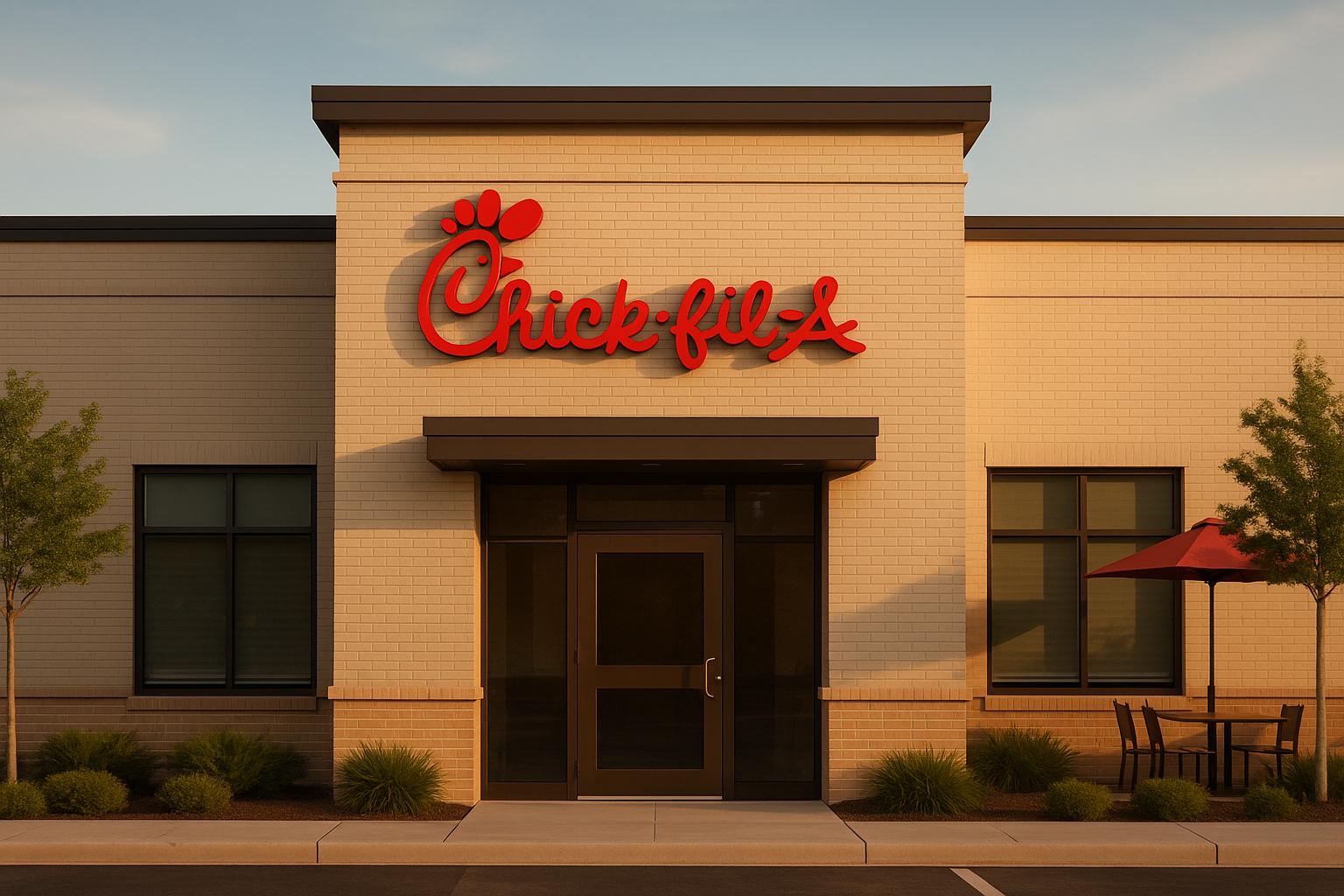
Chick-fil-A’s franchise model stands out because of its low upfront cost - just $10,000, compared to competitors like McDonald's, which requires over $1 million to start. However, this affordability comes with strict terms: Chick-fil-A retains ownership of the property and equipment, leaving operators to manage the business without equity. Operators also pay a 15% royalty fee on gross sales, much higher than the 5–8% charged by other franchises.
Chick-fil-A’s selection process is rigorous, with less than 1% of applicants accepted annually. They prioritize hands-on operators who align with the company’s values, rather than those with significant financial resources. While the model offers strong support and reduced financial risk, operators have limited control and cannot sell the business.
In contrast, franchises like McDonald's, Subway, and Dunkin’ Donuts require higher investments but allow for ownership, equity-building, and the potential to sell or expand. These models also typically charge lower royalty fees, offering more autonomy in exchange for greater financial commitment.
Key takeaway: Chick-fil-A is ideal if you have limited capital and prefer a managed business model, while other franchises are better suited for those seeking ownership and long-term wealth-building opportunities.
Why Chick-fil-A Is A Franchise Trap (Even Though They Make Millions)
1. Chick-fil-A Franchise Model
Chick-fil-A has a franchise model that breaks away from the norm. Instead of requiring a hefty upfront investment for ownership, the company charges a modest franchise fee while keeping ownership of the restaurant’s real estate, building, and equipment. This setup positions franchise operators as managers under a profit-sharing arrangement. Let’s dive into the financial details and how this unique structure works.
Upfront Costs
The initial franchise fee is just $10,000, which is far lower than what most franchises demand. Chick-fil-A also shoulders the major pre-opening costs, including real estate, construction, and equipment. The total investment required ranges from $426,735 to $2.3 million. This amount covers essentials like:
Opening inventory ($15,000–$65,000)
First month's equipment rental ($750–$5,000)
Lease payments ($2,605–$95,180)
Insurance ($240–$10,700)
Other expenses, which can add up to nearly $2.1 million
Unlike many other franchises, Chick-fil-A doesn’t impose a minimum net worth or liquid asset requirement. For perspective, McDonald’s typically requires at least $500,000 in liquid assets.
Ownership and Control
One of the standout features of Chick-fil-A’s model is that operators don’t actually own their locations. The company retains ownership of the property, building, and equipment, leasing them to the operator. This means operators can’t sell or transfer their franchise. Instead, they focus on managing day-to-day operations within the guidelines Chick-fil-A has established. Essentially, operators are managers, not independent business owners.
Ongoing Fees and Profit Sharing
This structure also shapes how profits are handled. Operators don’t keep all the earnings; instead, they share profits with Chick-fil-A. Despite this, the model remains attractive. For example, non-mall locations averaged $9.3 million in annual sales in 2024. With over 3,000 locations across 48 states contributing to a total sales volume of $21.58 billion, the potential rewards are clear. The long-term appeal of this model is further highlighted by an impressive operator retention rate of 96% over the past 50 years.
Operator Qualifications and Expectations
Chick-fil-A is known for its rigorous selection process. Out of over 40,000 applications received annually, less than 1% are accepted - some estimates put the acceptance rate as low as 0.13%. Financial standing isn’t the main factor here. Instead, the company prioritizes candidates who are hands-on, committed to managing a single location, and aligned with its core values. Leadership skills, a strong work ethic, and a dedication to daily operations are key qualities Chick-fil-A looks for in its operators.
2. Standard Franchise Models (McDonald's, Subway, Dunkin' Donuts)
Standard fast-food franchises often come with hefty financial requirements - quite different from Chick-fil-A's low-cost entry model. This difference makes it clear that these franchises demand significant financial resources from their operators.
Upfront Costs
Take McDonald's, for instance. Getting started with this iconic brand requires an initial investment of over $1 million. Subway, on the other hand, has a minimum net worth requirement of $150,000, while Dunkin' Donuts sets the bar higher with a $500,000 minimum net worth. These numbers paint a clear picture: stepping into these franchise opportunities requires serious capital.
Ownership and Control
Unlike Chick-fil-A's centralized approach, traditional franchise models provide operators with more ownership autonomy. Franchisees gain the rights to run their business under a well-known brand, though they must still adhere to the franchisor's operational guidelines. This balance allows operators to enjoy a greater sense of control while leveraging the brand's established reputation.
Ongoing Fees
These franchises also come with recurring royalty fees. McDonald's charges 5% of gross sales, Dunkin' Donuts slightly more at 5.9%, and Subway tops the list with an 8% royalty fee. These fees are a constant part of the equation for franchisees.
Operator Qualifications and Expectations
Financial strength is a key factor in the selection process for these franchises. For instance, McDonald's and Dunkin' Donuts require a minimum net worth of $500,000, while Subway's requirement is $150,000. The focus here is clear: these brands prioritize financial qualifications to ensure their operators can handle the demands of running a franchise. Together, these elements form the foundation of the standard franchise model.
Advantages and Disadvantages
When deciding between Chick-fil-A and traditional franchise models, it’s all about understanding what you're willing to exchange for the opportunity. Each approach has its own perks and challenges that can shape your experience as a franchise operator.
The Chick-fil-A Trade-Off
Chick-fil-A’s low entry fee is a major draw, making it accessible for those without significant capital. They also cover pre-opening expenses like real estate, construction, and equipment, while providing training and ongoing operational support. However, this affordability comes with strings attached.
You’re essentially renting the business opportunity rather than owning it. Chick-fil-A retains ownership of the property, equipment, and the business itself. When you leave, you walk away without an asset to sell. Additionally, the company charges a 15% royalty fee on gross sales, which can eat into your earnings despite the low initial cost. Operationally, you’ll have little say in key decisions, such as menu offerings or operating hours, as Chick-fil-A maintains tight control over the business.
The Traditional Franchise Path
Traditional franchises, on the other hand, require a much larger upfront investment, typically ranging from $150,000 to over $1 million. For many aspiring franchisees, this can be a significant barrier.
But with that investment comes ownership. Unlike Chick-fil-A’s model, traditional franchises allow you to build equity. If you decide to exit, you can sell your franchise - potentially for a profit. These models also offer more operational freedom. While you’ll need to adhere to brand guidelines, you’ll have more flexibility in daily decisions and the option to expand by owning multiple locations.
Ongoing fees in traditional franchises are generally lower, too. Instead of a 15% royalty on gross sales, you’ll typically pay between 5% and 8%, which means you keep a larger share of your earnings.
Side-by-Side Comparison
Here’s a quick look at how these two models stack up:
Factor | Chick-fil-A | Traditional Franchises |
|---|---|---|
Initial Investment | $10,000 | $150,000 – $1,000,000+ |
Ownership Structure | Company-owned; you manage operations | Franchisee owns the business |
Ongoing Fees | 15% royalty fee on gross sales | 5–8% royalty fees |
Real Estate & Equipment | Provided and owned by Chick-fil-A | Franchisee is responsible |
Operational Control | Highly centralized; limited autonomy | Moderate autonomy within guidelines |
Exit Strategy | No equity; no asset to sell | Can sell franchise for profit |
Multi-Unit Ownership | Not allowed | Often encouraged |
Financial Requirements | Minimal net worth required | $150,000–$500,000 net worth needed |
Selection Process | Focus on character and commitment | Prioritizes financial qualifications |
What This Means for You
The choice between these models ultimately depends on your goals and resources.
If you’re working with limited capital but have strong operational skills and don’t mind adhering to strict guidelines, Chick-fil-A could be a great fit. It offers a steady income opportunity without the burden of a large initial investment or debt.
On the other hand, if you have the financial resources and are looking to build long-term wealth, a traditional franchise might be more appealing. While the upfront costs and risks are higher, you’re investing in a business you own. Plus, the lower royalty fees can help improve your net earnings over time.
The real question isn’t which model is better overall - it’s which one aligns with your financial situation, long-term goals, and preference for control versus structure. Chick-fil-A is less about your money and more about your commitment and operational skills. Traditional franchises, however, require both financial investment and dedication, offering the reward of full ownership in return.
Conclusion
Chick-fil-A’s approach is unique, offering a low initial investment but requiring a significant commitment to daily operations. On the other hand, traditional franchise models cater to those focused on building personal wealth and owning property.
Ultimately, the choice comes down to your priorities. If you’re looking for a proven system with strong support and minimal financial risk, Chick-fil-A might be the right fit. But if your goal is to build equity and long-term wealth through ownership, a traditional franchise model may align better with your aspirations. Carefully weigh what matters most to you - operational support or ownership equity - before making your decision.
FAQs
Why does Chick-fil-A focus on values and community impact when selecting franchise operators?
Chick-fil-A places a strong emphasis on values and community connections, believing that their operators are essential in shaping a welcoming atmosphere and building genuine relationships with customers. By selecting individuals who share their principles, they ensure each restaurant embodies their dedication to outstanding service, genuine care, and active community involvement.
Instead of prioritizing financial qualifications, Chick-fil-A looks for operators who exhibit leadership, a solid work ethic, and a genuine desire to make a positive impact on others. This strategy helps preserve their distinct culture and uphold their high standards across every location.
What are the financial pros and cons of running a Chick-fil-A franchise compared to a traditional franchise?
One of the standout financial perks of owning a Chick-fil-A franchise is the low upfront cost, which is much lower than what you'd typically see with other franchise opportunities. On top of that, franchisees gain access to comprehensive company support, which can play a big role in running the business efficiently and achieving strong earnings.
That said, there are some significant downsides. Franchisees must commit to managing the business full-time, and they don’t actually own the restaurant. This means there’s no equity to cash out if they decide to step away. While this setup allows Chick-fil-A to maintain tighter control over operations, it limits the long-term financial upside for franchisees.
How does Chick-fil-A owning its real estate and equipment affect the financial outlook for its operators?
Chick-fil-A takes a unique approach by owning the real estate and equipment for its franchise locations. This gives the company more control over maintaining consistent quality and operational standards across all its restaurants. For franchise operators, this setup significantly lowers the initial financial burden since they don’t have to purchase property or equipment themselves. However, it also means they don’t hold equity in these assets, as Chick-fil-A retains ownership.
This model shifts the focus when selecting operators. Instead of prioritizing financial investment, Chick-fil-A emphasizes finding individuals with strong leadership skills and a commitment to the company’s values. While operators don’t build traditional equity, they gain access to a lower-risk opportunity with a well-established, highly profitable brand.
