Franchise Strategies
Dec 23, 2025
Explore the evolving competition between hotels and short-term rentals, highlighting traveler preferences for flexibility and local experiences.
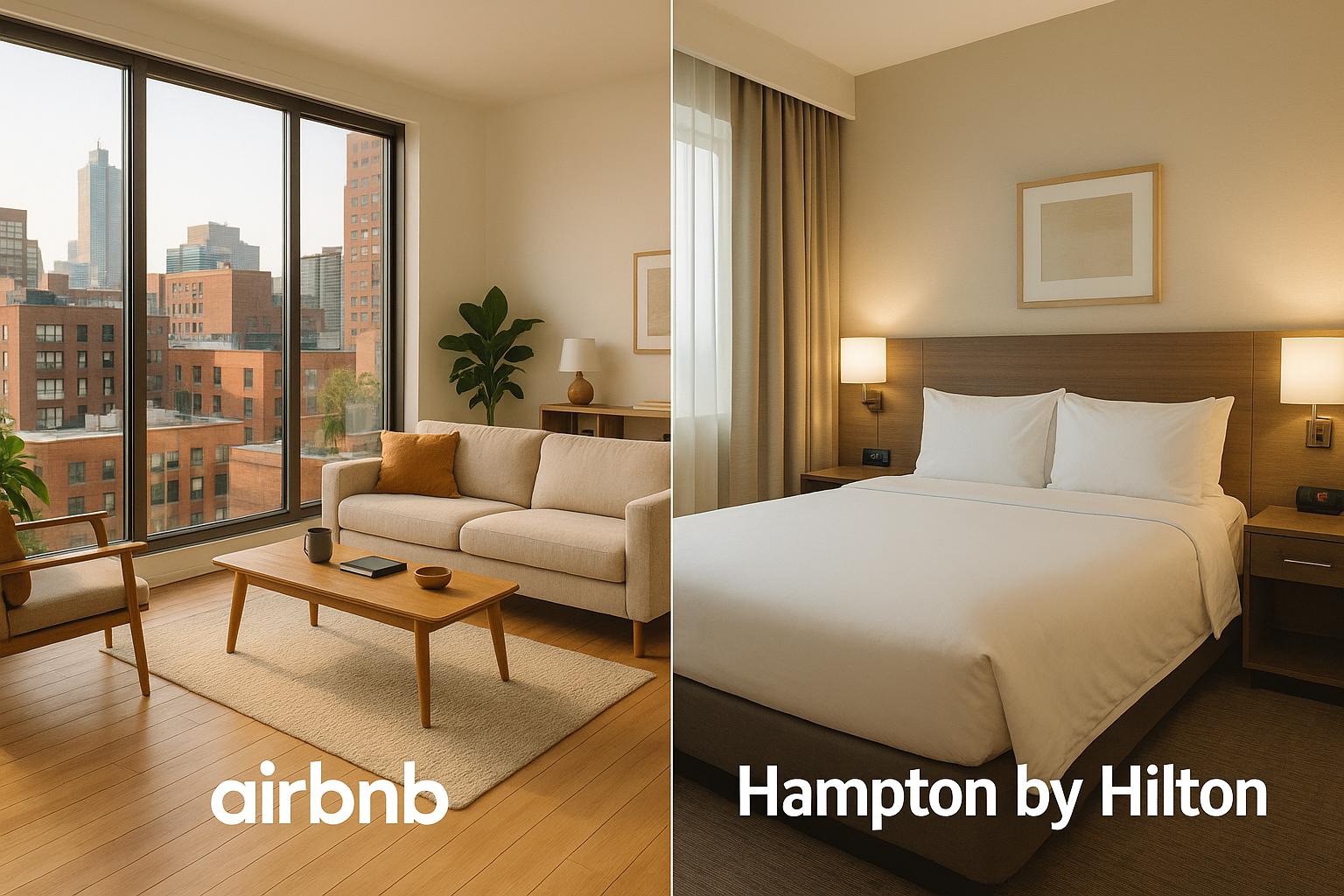
Hotels and Airbnb are competing for travelers, but the game is changing. Travelers in 2025 want more flexibility, personalized experiences, and value for their money. While Hampton by Hilton offers reliability, consistent service, and loyalty perks, Airbnb stands out with unique stays, local charm, and flexible options. Here's the challenge: hotels thrive on predictability, but today's travelers crave individuality.
Key Points:
Travel Trends: Flexibility, local experiences, and longer stays are priorities.
Hampton by Hilton: Known for consistency, free breakfast, and tech upgrades like digital keys.
Airbnb: Offers diverse stays, from city apartments to rural cabins, often catering to group trips and extended stays.
Challenges for Hotels: Fixed schedules, less flexibility, and fewer personalized touches compared to Airbnb.
Market Shift: Short-term rentals now dominate long stays, and "bleisure" (business + leisure) travel is booming.
Quick Comparison:
Factor | Hampton by Hilton | Airbnb |
|---|---|---|
Flexibility | Standard check-in/out times, limited | Self-check-in, flexible options |
Experience | Consistent, reliable | Unique, local |
Cost Structure | Transparent pricing | Hidden fees (cleaning, etc.) |
Hotels need to rethink guest expectations, blending consistent service with local flavor. The hospitality market is shifting, and staying competitive requires fresh ideas, tech upgrades, and a focus on guest priorities.
Hampton by Hilton: What Works and What Doesn't
What Hampton by Hilton Does Well
Hampton by Hilton has built a reputation for reliability and consistency, thanks to features like its signature free hot breakfast, high cleanliness standards, and well-structured staff training programs such as "Heart of Hampton" and "Owners Orientation".
"Our guests know what to expect, regardless of which of our hotels you go to."
This unwavering focus on consistency resonates with guests, with over 90% rating their experiences as excellent. The brand's training programs ensure staff deliver efficient and personalized service, reinforcing its commitment to quality.
Hampton also benefits from Hilton's extensive infrastructure. The Hilton Honors loyalty program rewards guests with tailored perks, while investments in technology - like a revamped mobile app with features such as mobile check-in and digital room keys - make stays more convenient. And in a move that caters to the growing demand for wellness options (with 95% of travelers prioritizing fitness), Hampton introduced Peloton bikes in every hotel gym in October 2024.
These efforts not only enhance the guest experience but also position the brand as a leader in its category.
Performance Numbers and Guest Data
Hampton by Hilton boasts an impressive global footprint, with over 3,000 locations worldwide and more than 300 additional hotels in development. The brand consistently delivers strong financial returns, ranking among the top performers in Hilton's portfolio.
Airbnb: How It Changed the Game
What Makes Airbnb Stand Out
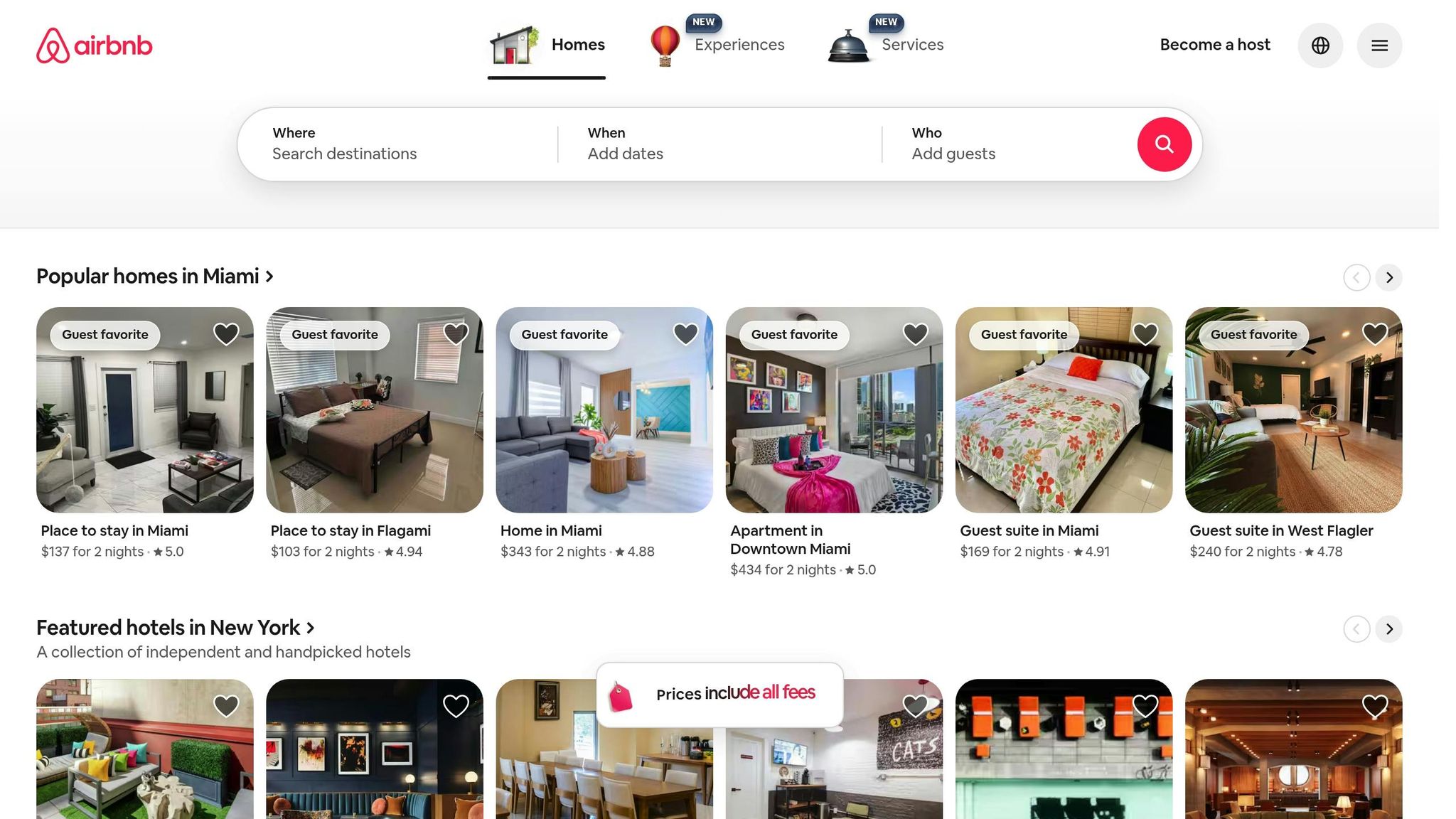
Airbnb has transformed the way people think about travel accommodations by offering stays that feel more personal and homey compared to traditional hotel rooms. Unlike the standardized feel of hotels, Airbnb properties often reflect the unique character of their neighborhoods, giving travelers a chance to "live like a local." Many listings are ideal for group trips or longer stays, offering spacious layouts with multiple bedrooms and fully equipped kitchens. This flexibility caters to a range of budgets and preferences. On top of that, many hosts go the extra mile by sharing tips about local attractions, dining spots, and hidden gems, making the experience even more tailored to individual travelers' needs.
Challenges Airbnb Faces
While Airbnb has plenty of perks, it’s not without its drawbacks. The quality of service can vary widely since it depends on individual hosts, which sometimes leads to inconsistent experiences. Additional charges, like cleaning and service fees, can significantly increase the total cost, making it harder to compare prices with hotels. Some guests have also reported issues such as mismatches between the listing descriptions and the actual condition of the property. Safety and security concerns, though rare, have also been noted. These challenges underscore the importance of thoroughly researching listings and setting realistic expectations before booking. Despite these hurdles, Airbnb continues to thrive as a major player in the travel industry.
Airbnb's Market Impact
Airbnb has carved out a strong position in the U.S. lodging market, appealing to travelers who prioritize unique and authentic experiences. While traditional hotels still excel in offering consistent service and amenities, Airbnb's ability to cater to diverse preferences has helped it maintain a firm foothold in the industry. Its approach resonates with those looking for something beyond the standard hotel stay, solidifying its role as a key option for modern travelers.
Head-to-Head: Flexibility, Experience, and Value
Side-by-Side Comparison
Flexibility in check-in and check-out times stands out as a major factor for travelers.
Factor | Hampton by Hilton | Airbnb |
|---|---|---|
Flexibility | Standard check-in at 3 PM and check-out at 11 AM. Luggage storage is available, and cancellation fees are sometimes waived. | Self-check-in options like keypads or lockboxes. Many hosts accommodate early or late check-in requests. |
Hampton by Hilton operates on a consistent schedule - check-in at 3 PM and check-out at 11 AM - but offers luggage storage and occasional flexibility with cancellation fees. On the other hand, Airbnb often allows self-check-in and provides more adaptable options for early or late arrivals, depending on the host.
This comparison showcases how these operational differences can shape the overall guest experience.
What This Means for Business Owners
Flexibility in check-in options is becoming a key expectation for travelers. For franchise owners, this highlights the need to strike a balance between maintaining a consistent schedule and offering more adaptable solutions. Adapting to these shifting preferences could enhance guest satisfaction and keep businesses competitive in an evolving market.
Airbnb vs. Hotels: Where Should You Stay in 2025?
How Franchise Owners Can Stay Competitive
As traveler expectations continue to shift, franchise owners face the challenge of adapting while staying true to their brand's identity. The encouraging news? There are practical ways to stay ahead in today's competitive market without compromising on brand standards.
Add Personal Touches and Local Flavor
One common pitfall for franchises is creating a cookie-cutter experience that feels the same no matter where you go. To stand out, many franchise owners are weaving in local touches while keeping brand guidelines intact. This could mean teaming up with local businesses to offer unique amenities, decorating with regional artwork, or training staff to provide authentic recommendations about nearby attractions.
Take Hampton by Hilton, for example. A location in Nashville might embrace the city’s vibrant music scene with curated playlists and partnerships with local venues. Meanwhile, a Portland property could highlight the region’s love for craft coffee and outdoor adventures. These thoughtful additions help guests feel more connected to their destination.
But personalization alone isn’t enough - offering value and flexibility is equally crucial.
Offer More Flexibility and Better Value
Clear and upfront pricing is a big win for hotels, especially when compared to platforms like Airbnb. While Airbnb listings often appear affordable at first glance, hidden fees for cleaning, service, and taxes can quickly inflate the total cost. Hotels, on the other hand, typically offer straightforward, all-inclusive pricing. For instance, when a guest books a $120-per-night hotel room, they know exactly what they’re paying - no surprises.
To further enhance value, consider offering perks like extended cancellation policies, early check-in options, or bundled packages that include parking, breakfast, or curated local experiences. These small adjustments can significantly boost a guest’s overall experience without requiring a major overhaul of operations.
Use Technology and Get Expert Help
Incorporating technology is another powerful way to stay competitive. Features like mobile check-in, keyless room entry, and smart room controls are no longer luxuries - they’re becoming standard expectations. These upgrades not only improve convenience for guests but also streamline day-to-day operations.
That said, integrating new technology can be tricky. This is where expert guidance can make all the difference. Companies like Franchise Ki, led by Bennett Maxwell and CRO Liam Chase, specialize in helping franchises optimize operations and boost sales. Their expertise can guide franchise owners in choosing and implementing the right tech solutions to enhance efficiency and keep guests satisfied.
Conclusion: Succeeding in Today's Hospitality Market
The rivalry between Hampton by Hilton and Airbnb highlights a clear shift in how Americans approach travel. Recent trends show a growing preference for personalized, experience-focused stays, reshaping the hospitality landscape.
Looking ahead, the hotel industry faces what some experts call the "Great Deceleration" in 2025. Analysts have significantly lowered their revenue growth predictions, with CBRE reducing its RevPAR growth forecast from 1.8% to just 0.1% for that year. Meanwhile, the bleisure travel market has surged to an estimated $500 billion, growing annually by 8–9%. Notably, half of all short-term rental bookings now extend to a week or longer, signaling a shift in traveler behavior. For franchise owners, adapting to these changes is no longer optional - it's essential.
What's Next for Hospitality
To thrive in this evolving market, blending consistent service with unique, localized experiences is key. The luxury segment's 7.1% RevPAR growth stands in stark contrast to the 0.9% growth seen in economy hotels, underscoring the demand for accommodations that enhance the overall travel experience. Whether it's a creatively designed treehouse, a glamping retreat, or a hotel room infused with local charm, travelers increasingly value their accommodations as an integral part of their journey - not merely a place to rest.
For franchise owners, this means rethinking traditional approaches and embracing the idea that the stay itself can - and should - be memorable.
Why Expert Advice Matters
Adapting to these shifts involves more than just surface-level changes. Incorporating new technology, reimagining spaces, and forming local partnerships require a nuanced understanding of both market trends and operational realities. Balancing the need for personalized guest experiences with maintaining brand consistency can be a complex task.
This is where expert guidance proves invaluable. Companies like Franchise Ki, led by Bennett Maxwell and CRO Liam Chase, bring a deep understanding of franchise operations and the evolving demands of modern travelers. Their expertise helps franchise owners identify impactful changes that enhance guest satisfaction and revenue, all while avoiding costly errors.
As the hospitality industry continues to evolve at a rapid pace, franchise owners who embrace expert advice and adapt quickly will be better positioned to implement strategies that ensure both competitiveness and profitability in this dynamic market.
FAQs
What can hotels like Hampton by Hilton do to compete with Airbnb’s flexibility and personalized experiences?
Hotels can maintain their edge by prioritizing guest-focused innovations. For instance, offering contactless check-ins and check-outs adds both convenience and flexibility - features that modern travelers truly appreciate. Another smart move is designing loyalty programs with rewards that guests find genuinely worthwhile, encouraging repeat visits and fostering long-term connections.
To truly shine, hotels should spotlight their standout on-site amenities - think pools, fitness centers, or complimentary breakfasts - and make these a focal point in their marketing efforts. Adding a personal touch to the guest experience, like providing tailored activity suggestions or acknowledging special milestones, can create a sense of care and warmth that resonates with visitors. By embracing these evolving expectations, hotels can stay relevant and thrive in the ever-changing hospitality landscape.
What challenges do traditional hotels face in meeting the needs of 'bleisure' travelers?
Traditional hotels often find it challenging to cater to the needs of "bleisure" travelers - those who combine business and leisure during their trips. To meet these expectations, hotels need to rethink their spaces, offering a mix of productivity-focused areas like co-working spaces alongside amenities designed for relaxation and enjoyment.
Another key challenge is delivering tailored experiences that showcase local highlights, such as unique attractions, dining spots, and cultural activities. These elements appeal to travelers eager to make the most of their time outside of work. On top of that, implementing flexible pricing options and promotions for longer stays has become essential for attracting this rapidly growing group of travelers.
How can franchise owners use local experiences and technology to improve guest satisfaction while staying true to their brand?
Franchise owners have a unique opportunity to enhance guest satisfaction by combining local touches with innovative technology, all while maintaining their brand's identity. One way to achieve this is by incorporating locally inspired amenities. Think regionally sourced snacks or décor that reflects the area’s character - these small details can make a traveler’s experience feel more genuine and connected to the destination.
On the tech side, personalization is key. Features like pre-set room temperatures, seamless mobile check-ins, or tailored dining recommendations based on past visits can make guests feel appreciated and understood. By thoughtfully blending these local and tech-driven elements, franchise owners can create experiences that stand out while keeping their brand consistent.
