Franchise Strategies
Nov 10, 2025
Explore the essential insights on investing in a hotel franchise, covering costs, operational standards, and profitability factors to consider.
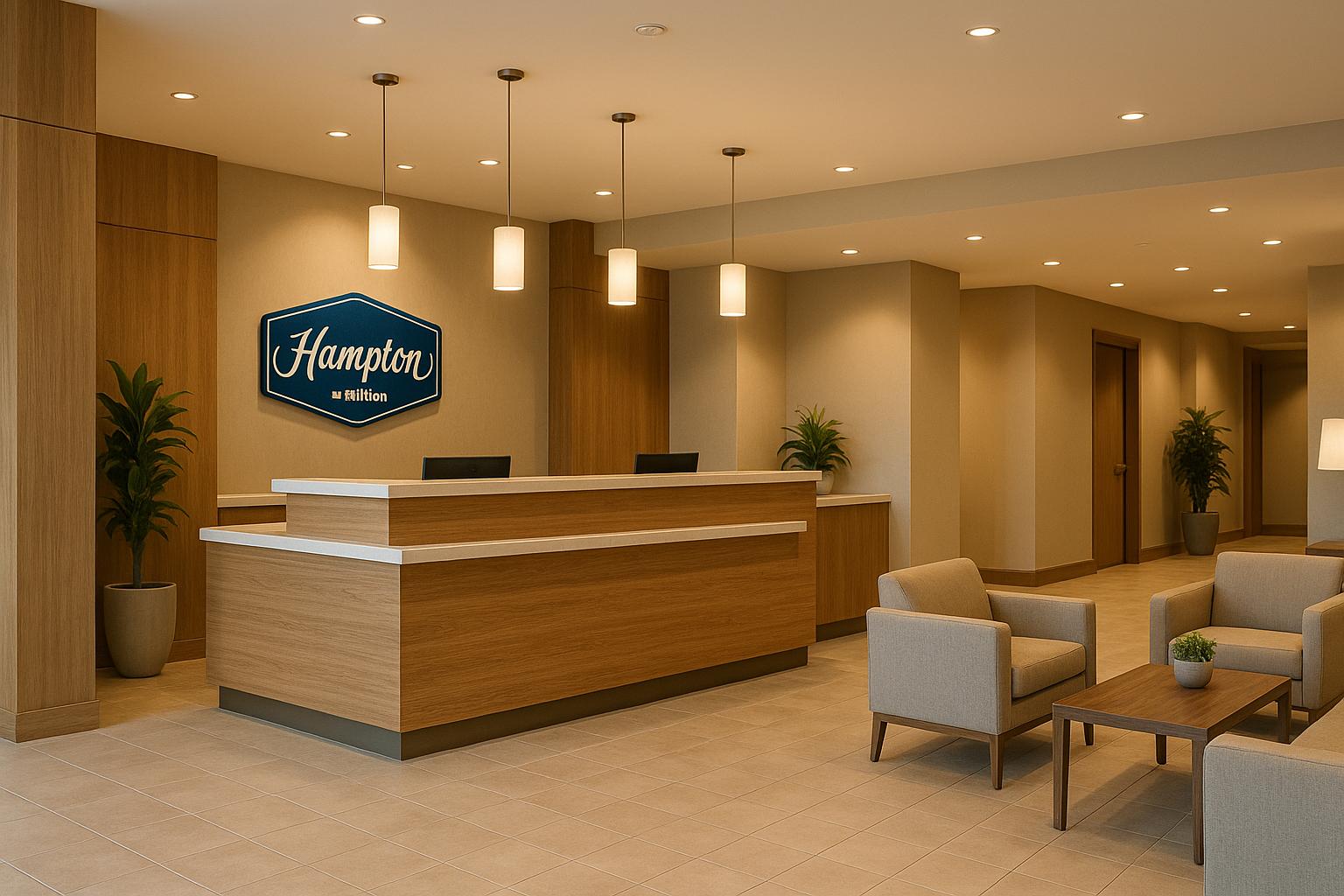
If you're considering a Hampton by Hilton franchise, here’s what you need to know upfront:
Initial Investment: Costs range from $4.2M to $13.5M, covering land, construction, franchise fees, and setup.
Ongoing Fees: Includes a 6% royalty fee and a 4% marketing fee, calculated from gross revenue.
Strict Standards: Hilton enforces detailed brand guidelines, from room design to daily operations, leaving little room for flexibility.
Support Provided: Franchisees gain access to Hilton’s reservation system, training programs, and national advertising campaigns.
Profit Margins: Industry averages range between 5–10%, with top performers reaching up to 25–35% under ideal conditions.
Key Takeaway: Success depends heavily on location, financial preparedness, and the ability to manage within Hilton’s strict franchise framework. Evaluate your goals, market conditions, and resources carefully before proceeding.
How Much Money Can You Make Owning a Hotel? (Hampton Hotel Costs, Sales, Fees)
Investment Requirements and Financial Commitments
Getting a clear picture of the financial commitment involved is crucial when planning your investment. The upfront costs can heavily influence your cash flow and overall profitability. Let’s break down the key cost categories that make up this financial commitment.
Initial Investment Breakdown
The total initial investment for a Hampton by Hilton property ranges from $4.2 million to $13.5 million. This range depends on factors like location, property size, and construction expenses. Real estate and construction costs vary significantly across different U.S. markets, which is why the range is so broad.
Here’s how the investment typically breaks down:
Land acquisition and site preparation: Often the largest expense, especially in high-demand urban areas where real estate prices are steep. Costs will also depend on the size and condition of the site.
Construction costs: These fluctuate based on local labor rates, material prices, and any specific site requirements.
Franchise fee: A one-time, non-refundable payment of $85,000 grants you the right to operate under the Hampton by Hilton brand and provides access to Hilton's reservation system.
Furniture, fixtures, and equipment (FF&E): Expect to spend between $1.8 million and $2.5 million for items like guest room furniture, lobby décor, kitchen equipment, and fitness center gear. All of these must meet Hampton by Hilton’s brand standards.
Pre-opening expenses: These range from $150,000 to $300,000 and cover costs like staff recruitment and training, initial marketing efforts, permits, licenses, and working capital to get the property up and running.
Here’s a summary of the cost breakdown:
Investment Category | Cost Range | Details |
|---|---|---|
Land & Construction | $2.5M - $9.5M | Depends on location and property size |
Franchise Fee | $85,000 | One-time, non-refundable payment |
FF&E Package | $1.8M - $2.5M | Must meet Hampton by Hilton brand standards |
Pre-Opening Expenses | $150K - $300K | Includes training, marketing, and operational setup |
Total Investment | $4.2M - $13.5M | Complete startup costs |
This breakdown gives you a detailed view of what to expect financially, helping you better prepare for the road ahead.
Daily Operations and Franchisee Responsibilities
Owning a Hampton by Hilton franchise means managing hospitality operations while adhering to the brand's detailed standards.
Staffing and Management Requirements
The size of your property will dictate staffing needs, but you’ll need to ensure round-the-clock front desk coverage, consistent housekeeping, and a qualified general manager to oversee daily operations. This includes tasks like scheduling, guest relations, and ensuring compliance with Hilton's brand guidelines. Additional management support may also be necessary for handling operations during off-hours.
These staffing requirements emphasize the importance of maintaining strict compliance with the brand's operational expectations.
Brand Standards and Compliance
Running a Hampton by Hilton franchise goes beyond hiring the right team - it involves following Hilton's detailed operational framework. These brand standards are designed to create a consistent guest experience across all locations, leaving little room for independent decision-making.
For example, guest room standards are non-negotiable. You’ll need to follow specific cleaning protocols, maintain proper amenity placement, and perform regular upkeep. Corporate inspections ensure these standards are consistently met.
The complimentary breakfast program is another area with strict guidelines. From the food options to serving times and presentation, every detail is dictated by Hilton, and any changes typically require prior corporate approval.
The property’s design and appearance must also align with Hilton's requirements. This can include periodic renovations or updates, all of which are the franchisee's financial responsibility.
When it comes to purchasing, you may need to source supplies exclusively from Hilton-approved vendors. Additionally, operational procedures, such as business hours, signage, staff uniforms, and accounting practices, are all governed by corporate standards. Even expanding your services or revenue streams beyond the brand’s offerings often requires explicit corporate consent.
Hilton also conducts continuous performance monitoring. Failing to meet their standards can lead to serious consequences, including the possible termination of your franchise agreement.
Before diving into these operational demands, it’s crucial to carefully review the Franchise Disclosure Document. Pay special attention to Item 8, which outlines supplier and operational restrictions, and Item 12, which details limitations on the goods and services you’re allowed to provide. Fully understanding these requirements will help you evaluate whether the Hampton by Hilton franchise model aligns with your business goals and management style.
Hilton's Franchisee Support and Training
Hampton by Hilton holds franchisees to strict operational standards, but they also offer a range of support systems designed to help franchise owners thrive. If you're considering this franchise opportunity, understanding these resources is a key step in determining whether it aligns with your business goals.
Training Programs for Franchisees
Hilton provides franchisees and their management teams with structured training programs that combine classroom instruction and hands-on experience at existing Hampton properties. These sessions cover critical aspects of running a Hampton by Hilton location, including property management systems, guest service protocols, housekeeping standards, and financial reporting. Management staff receive additional training on Hilton's operational software and must meet brand compliance requirements. The training places a strong emphasis on following established procedures to maintain consistency across all properties.
Beyond operational training, Hilton also offers marketing support to help franchisees establish a strong presence in their local markets.
Marketing and Business Support
Hilton equips franchisees with a variety of marketing tools and programs, but these come with both benefits and limitations. Franchisees are required to contribute a percentage of their sales to Hilton's advertising funds, which are used for brand-wide campaigns and other marketing initiatives.
Support Type | Description | Franchisee Involvement |
|---|---|---|
National Advertising | Large-scale campaigns and media buys | Contribution through advertising fees |
Reservation System | Hilton Honors loyalty program and booking platform | Included access; adhere to pricing guidelines |
Marketing Materials | Pre-approved promotional materials | Must use only approved materials |
Local Marketing | Regional advertising cooperatives | Limited creative control; franchisor consent required |
While Hilton's marketing support can be a valuable resource, there are nuances to consider. For instance, franchisors often decide how advertising funds are allocated, and not all contributions may directly benefit your specific location. Funds might be used for national campaigns or even efforts to attract new franchisees, rather than exclusively promoting individual outlets.
Additionally, Hilton enforces strict controls over advertising. Franchisees must get approval for signage, employee uniforms, and advertisements to ensure brand consistency. Even local marketing efforts require approval from the franchisor, which limits creative freedom.
Marketing program details are outlined in Item 11 of the franchise agreement. Before signing, it's essential to review how advertising funds are distributed. Look into the percentages allocated to administrative costs, national and local advertising, and franchise network expansion. Keep in mind that participation in advertising cooperatives may come with additional requirements, such as offering specific discounts that could affect your bottom line.
On the bright side, partnering with a globally recognized brand like Hilton can help attract customers. The Hilton name, along with its reservation system, often drives bookings to franchise locations. However, you should be prepared for limited control over pricing and promotional strategies.
To make an informed decision, request a detailed breakdown of how advertising funds are spent and inquire about potential rebates. Understanding these financial obligations will help you weigh whether the support and resources provided justify the associated costs and restrictions.
Profitability and Financial Performance
When evaluating financial performance, it's essential to look beyond marketing claims. Hampton by Hilton doesn't publicly share detailed financial performance metrics in its Franchise Disclosure Documents. As a result, potential franchisees should use industry benchmarks to estimate potential outcomes. Typically, hotels report net profit margins between 5–10%, while top performers can achieve margins of 15–20%. In exceptional cases, some properties even reach 25–35%.
"We continue to make sure that the business itself continues to be highly profitable while delivering strong margins for owners, and still keeping with the exceptional service so that our guests are going to pay a premium to stay with us."
– Shruti Gandhi Buckley, Senior Vice President and Brand Leader, Hampton by Hilton
While these figures are encouraging, it's crucial to approach them with care and conduct thorough research. Several factors influence profitability, and understanding them is key to making informed decisions.
Factors That Affect Profitability
The most critical factor for success is location. Hotels near airports, business hubs, or popular tourist spots often see higher occupancy rates and can charge premium prices. Conducting detailed market research is essential to identify the right location.
Occupancy rates play a direct role in financial performance. These rates depend on local demand drivers, seasonal trends, and the competitive environment. At the same time, operational costs - such as labor and utilities, which can account for over 3% of total revenue - must be carefully managed to protect profit margins.
Another key component is revenue management. Hilton provides tools and expertise that allow franchisees to adjust room rates based on demand, local events, and seasonality. Leveraging these resources can help maximize revenue per available room. Additionally, maintaining Hampton's brand standards ensures positive guest experiences, which lead to repeat business and strong reviews - both of which are critical for long-term success.
Effective management is also a cornerstone of profitability. Whether you hire experienced hotel managers or build your own team, having skilled professionals in charge of daily operations can prevent costly mistakes and improve efficiency.
Risks and Challenges
Despite the potential for strong returns, the hotel industry comes with its share of risks that can impact profitability.
Economic downturns are a significant challenge in this cyclical industry. Changes in travel behavior during tough economic times can affect both business and leisure travelers, leading to reduced revenues.
Market saturation is another concern. As more hotels open in certain areas, competition intensifies, often driving down occupancy rates and average daily rates. Choosing markets with growing demand or natural barriers to entry can help reduce this risk.
Operating and capital costs also pose challenges. Beyond the initial investment - estimated between $12.8 million and $24.1 million for a new Hampton by Hilton location - franchisees face ongoing expenses. These include a 6% royalty fee, a 4% marketing fee, and costs for maintenance, renovations, and mandatory property upgrades.
Franchisor policies can also impact profitability. Changes to brand standards or fees may limit operational flexibility, making it harder for franchisees to adapt to specific market conditions.
Competitive pressures in the lodging industry are another factor to consider. Shifting consumer preferences can influence demand and revenue, particularly in markets where travelers have many options.
Finally, seasonal fluctuations are a common challenge for hotels. Tourist-heavy locations often experience significant swings between peak and off-seasons. This variability requires careful financial planning and cash flow management to ensure stability during slower periods.
To navigate these risks, it's important to maintain a solid cash reserve and avoid relying too heavily on peak performance periods. Running sensitivity analyses and preparing for downturns can help ensure long-term financial health and stability.
Is a Hampton by Hilton Franchise Right for You?
Before diving into a Hampton by Hilton franchise, take a close look at your finances, industry experience, and long-term goals. While this franchise can offer rewarding opportunities, it’s not the right fit for everyone, so preparation is key.
Key Takeaways
Investing in a franchise like Hampton by Hilton comes with ongoing costs. Be ready for fees, routine maintenance expenses, and periodic renovations. Having sufficient capital and access to financing is crucial.
Location matters - a lot. Properties in high-traffic areas, such as near airports, business hubs, or popular attractions, often enjoy higher occupancy rates and the ability to charge premium prices. Even with excellent management, a poor location can limit your returns.
Running a successful hotel requires strong management. Whether you hire experienced professionals or rely on your own expertise, maintaining Hilton’s brand standards, managing staff, and maximizing revenue are all critical.
Profitability depends on multiple factors, including market conditions, operational efficiency, and broader economic trends. While average margins are moderate, top-performing locations can deliver stronger returns.
There are also risks to consider. Economic downturns can reduce travel demand, market saturation might impact occupancy and pricing, and seasonal fluctuations require careful cash flow management.
These insights provide a foundation for evaluating whether this investment aligns with your goals.
Next Steps for Interested Franchisees
Start with thorough market research in your chosen area. Look into local demand, competition, and seasonal trends to understand the market dynamics clearly.
Take a hard look at your financial situation. Hilton offers extensive training and support to help with operational challenges, but consulting with financial advisors who specialize in hospitality can provide additional clarity.
Talking to current Hampton by Hilton franchisees in similar markets can also be incredibly helpful. Their real-world experiences can give you a better sense of daily operations, profitability challenges, and what it’s like to work within the franchise system.
For personalized guidance, reach out to Franchise Ki. Their consulting services can help you navigate the complexities of franchise evaluation and make a confident, informed decision.
FAQs
What should I consider when selecting a location for a Hampton by Hilton franchise to ensure strong profitability?
To boost profitability, take a close look at key factors like local demand for accommodations, proximity to major attractions or business districts, and the level of competition in the area. Locations with heavy foot traffic, such as those near airports, highways, or downtown areas, typically see higher occupancy rates and greater revenue opportunities.
It's also important to assess the economic landscape of the area. Pay attention to tourism patterns, business development, and local events that could increase demand. By conducting detailed market research and studying demographic data, you can choose a location that aligns well with your financial objectives.
How does Hilton’s enforcement of brand standards affect your ability to manage a Hampton by Hilton franchise independently?
Hilton upholds rigorous brand standards to guarantee a consistent level of quality and guest satisfaction across all Hampton by Hilton locations. For franchisees, this means adhering to specific operational guidelines. While this might limit certain management choices, it also comes with the advantage of operating within a tried-and-tested business framework.
In exchange for this structured approach, Hilton offers comprehensive support. This includes training programs, marketing tools, and operational guidance. For many franchise owners, this setup strikes a balance - providing the autonomy to run their business while enjoying the stability and resources of a globally recognized brand.
What support and resources does Hilton offer to help franchisees succeed, and how do these benefit the overall franchise experience?
Hilton provides its franchisees with a variety of tools and resources designed to set them up for success. These include in-depth training programs, continuous operational support, and access to powerful marketing tools. Franchisees also benefit from Hilton's global marketing efforts and digital platforms, which help attract bookings and boost brand recognition.
This support system equips franchisees to run their businesses more efficiently, allowing them to focus on creating memorable guest experiences. With Hilton's resources and the backing of a world-renowned brand, franchisees are positioned for long-term success and a smoother day-to-day operation.
