Franchise Strategies
Nov 8, 2025
Owning a popular franchise demands significant investment and management. Understand the realities behind the brand's allure and profitability challenges.
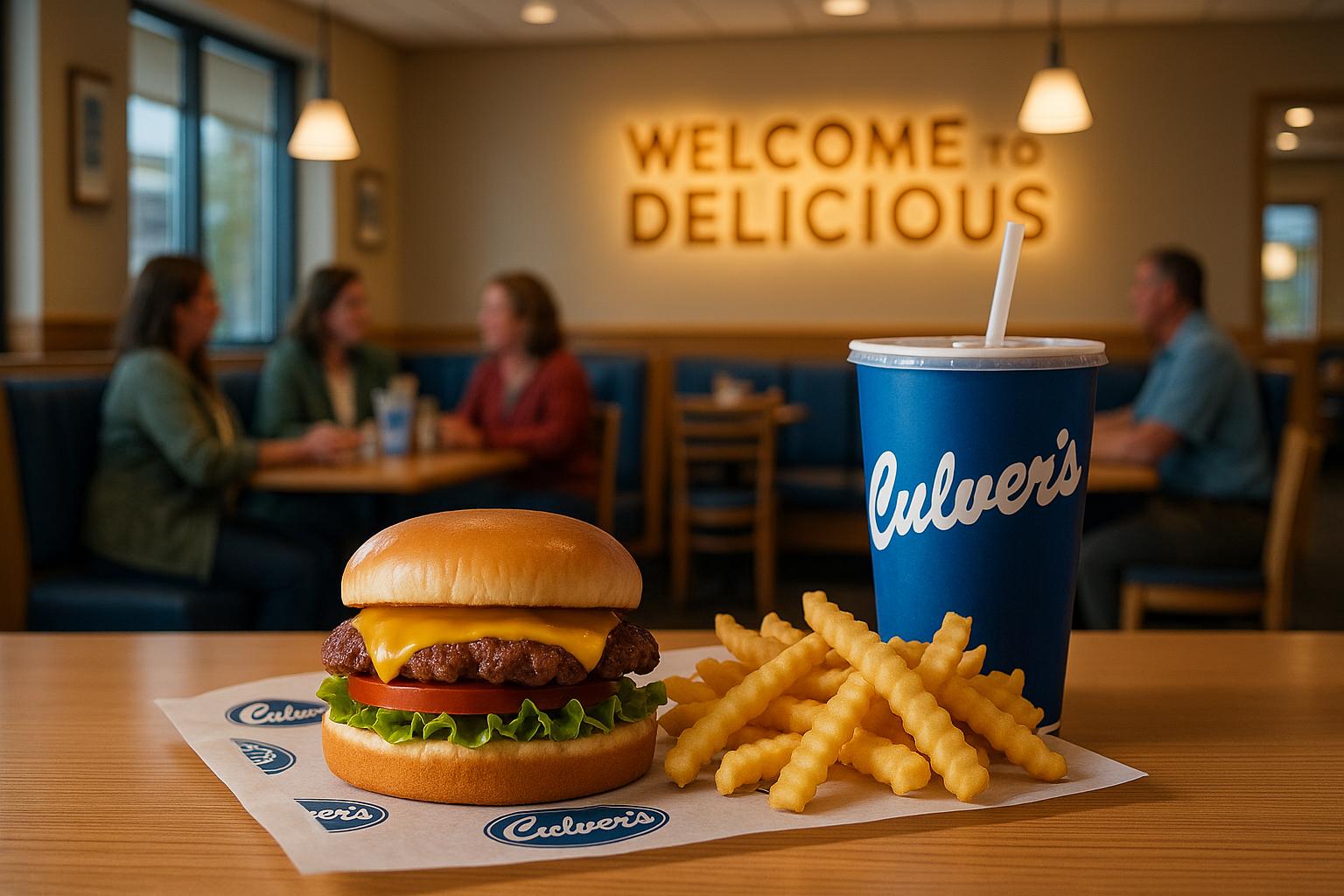
Culver's is beloved for its friendly service and quality food, but owning one of its franchises isn’t as simple as it seems. Here’s the reality: high operating costs, large upfront investments, and ongoing challenges like labor expenses and supply management make profitability a tough climb for franchisees. While the brand’s reputation attracts customers, it doesn’t guarantee financial success for owners.
Key Points:
Startup Costs: Opening a Culver's requires $2.8M–$6.8M, plus $500K–$750K in liquid assets and a $1.25M net worth.
Operating Challenges: Fresh ingredients, large restaurant footprints, and rising wages increase expenses.
Profitability Struggles: Loyal customers don’t offset high costs, and location plays a major role in success.
Hands-On Commitment: Owners face long hours managing staff, inventory, and corporate expectations.
In short, owning a Culver's franchise demands significant financial resources, time, and effort. Success depends on careful planning, strong management, and finding the right market - not just the strength of the brand.
Culver’s Franchise Cost & Fee Justified By Growth
Culver's Franchise Investment Costs and Requirements

Opening a Culver's franchise requires a significant upfront financial commitment, creating a substantial barrier to entry. Let’s break down the key startup costs and financial qualifications you’ll need to meet.
Startup Costs and Fees
To get started with a Culver's franchise, you’ll need to invest between $2,811,500 and $6,867,000. This wide range depends on factors like location, real estate costs, and site preparation. The franchise fee itself falls between $20,000 and $55,000, which is a relatively small portion of the total investment.
Here’s a closer look at some of the major expenses:
Land: $425,000 to $1,500,000
Building: $1,525,000 to $2,616,000
Site work: $90,000 to $1,465,000
Fixtures, equipment, and supplies: $461,000 to $602,000
Sign package: $112,000 to $293,000
Point-of-sale system: $38,500 to $51,000
Initial inventory: $50,000 to $65,000
Training-related travel and living expenses: $20,000 to $80,000
Working capital for the first three months: $50,000 to $100,000
These costs illustrate the substantial financial commitment required to launch a Culver's franchise.
Financial Qualifications
Culver's also has strict financial requirements for potential franchisees. You’ll need $500,000 in liquid assets - or $750,000 if you plan to own the real estate, building, and equipment. Additionally, a minimum net worth of $1,250,000 is required. These high thresholds ensure that only financially stable investors can join the system, reinforcing the challenges of entering this franchise network.
Why Strong Brands Don't Always Mean Strong Profits
Culver's is a familiar name in the Midwest, but a strong brand doesn’t automatically translate into robust profits for its franchise owners. While the brand's popularity provides an edge, it doesn’t eliminate the challenges tied to high operating costs and tough market conditions. Let’s break down why even a trusted brand like Culver’s can fall short when it comes to profitability.
Customer Loyalty Doesn't Offset High Costs
Even the most loyal customers can't fully counterbalance the steep costs that eat into a franchise’s profits. As explained by Alternative Business Funding:
"For a franchisee, there will be an initial franchise fee to secure the franchise, and ongoing licensing costs, which can either be fixed, or calculated as a percentage of sales. The other major costs will be for the premises, equipment and employees, although the balance of what the franchisee and franchisor pay for will vary, depending on the business."
These ongoing fees, coupled with fixed expenses like rent, equipment, and payroll, create financial hurdles that customer loyalty alone cannot overcome. No matter how popular the brand, these costs can cap profitability.
Location and Market Challenges
Where a franchise is located can significantly impact its success. A well-known brand won’t save a franchise in a poor location. For instance, a Culver’s in an area with low foot traffic or fierce competition may struggle to bring in enough sales to cover its hefty expenses. Careful market research becomes critical to finding locations with growth potential. Without it, even a beloved brand can falter in areas where demographics or local conditions work against it.
The Myth of Guaranteed Success
Owning a franchise tied to a popular brand can create a false sense of security. Franchisees often face strict performance standards, and failing to meet them can have serious consequences. As Alternative Business Funding points out:
"For franchisees, the major risk is that they aren't able to meet the requirements of the franchising business. If the franchise isn't performing as needed, the franchisor may decide to close the franchise or offer it to someone else."
This performance pressure can be a harsh reality check for franchisees who assume that a strong brand will guarantee success. Between the initial franchise fees, licensing costs, and ongoing expenses for staffing and operations, profitability often depends more on effective management and favorable market conditions than on brand reputation. While Culver’s “Midwest Nice” image may bring in customers, it doesn’t protect owners from the financial realities of running a business. Success ultimately hinges on smart operations, tight cost controls, and a favorable market - things no brand name alone can deliver.
Daily Business Challenges for Culver's Owners
Owning a Culver's franchise is about much more than serving up ButterBurgers and frozen custard. While the brand may project a friendly, approachable image, the reality of running a franchise involves tackling a host of daily challenges that can quickly eat into profits. From staffing issues to supply costs, the operational demands of a Culver's location require constant vigilance and adaptability. For many new franchisees, these hurdles can be surprising and far more complex than anticipated.
Staff Problems and Rising Labor Costs
Finding and keeping dependable employees is a persistent struggle in the restaurant industry, and Culver's is no exception. With its focus on delivering the signature "Midwest Nice" customer service, franchise owners must hire team members who can consistently meet these high standards. This makes recruitment both costly and time-consuming.
Onboarding new employees adds another layer of expense. Training programs are essential to ensure staff understand Culver's specific food preparation techniques and customer service expectations. However, during these training periods, productivity often dips, even as labor costs stay high. Short staffing only makes matters worse, forcing owners to stretch their teams thin or work extra shifts themselves.
Competitive wages are yet another challenge. As states increase minimum wages and companies offer perks like signing bonuses, franchisees must offer attractive pay packages to retain staff. Rising payroll taxes and benefit costs further squeeze profit margins. To combat turnover, many owners now provide additional incentives, such as flexible schedules, meal discounts, or performance bonuses. While these perks help with retention, they also add unexpected costs to the bottom line.
Supply Costs and Real Estate Expenses
Managing inventory is another daily headache. Culver's commitment to fresh, never-frozen beef means owners must carefully balance stock levels to avoid both shortages and waste. Even small amounts of spoilage can chip away at already tight margins. Supply chain disruptions only add to the stress, often leading to emergency orders and inflated costs.
Real estate expenses also pose ongoing challenges. A location that seemed affordable during the initial planning stages can become a financial strain as property taxes rise or lease agreements are renegotiated. Culver's restaurants typically require large spaces to accommodate dining areas and drive-throughs, which means higher costs for maintenance and utilities. Repairs to HVAC systems, kitchen equipment, or signage - especially in older buildings or areas with harsh weather - can quickly add up.
Time and Management Demands
The time commitment required to run a Culver's franchise is another factor that can catch owners off guard. Maintaining the brand's high standards for food quality and customer service often means working long hours, far beyond what many franchisees initially expect.
Restaurant operations are inherently complex, requiring owners to juggle multiple responsibilities at once. From staff scheduling and inventory management to handling customer complaints and maintaining food safety protocols, the workload can feel overwhelming. Delegation becomes difficult, especially for those managing multiple locations.
Corporate oversight adds to the pressure. Regular inspections and quality evaluations require meticulous record-keeping and ongoing staff training. Falling short of these standards can result in additional mandates, which only increase the workload. Financial management is no less demanding, with owners needing to track revenue, monitor food costs, analyze labor efficiency, and prepare detailed reports for corporate headquarters. Many franchisees eventually turn to accounting support or specialized software to manage these tasks - yet another added expense.
Ultimately, while Culver's strong brand recognition can draw in customers, the success of a franchise depends heavily on the owner's ability to navigate these daily challenges. Running a Culver's is a balancing act that requires not just hard work, but also a sharp eye for detail and a readiness to adapt.
How to Pick Franchises Based on Facts, Not Hype
The challenges faced by Culver's franchisees teach an important lesson: just because a brand is well-known doesn't mean it's a guaranteed moneymaker. If you're considering franchise ownership, it’s critical to separate the shiny allure of a brand from the financial reality behind it. To make a smart investment, you need a systematic, fact-driven approach to evaluate your options.
What to Research Before Buying a Franchise
Hidden costs and location-specific risks can make or break a franchise. That’s why thorough research is non-negotiable. A good place to start is the Franchise Disclosure Document (FDD), which is legally required and includes key financial details like "Item 19." This section outlines the financial performance of current franchisees. If this data is missing, treat it as a red flag. When available, focus on median earnings rather than cherry-picking the top-performing locations.
Next, calculate the full startup costs, including enough working capital to cover 12–18 months of operations. The initial franchise fee is just the tip of the iceberg. Ongoing expenses like marketing fees, equipment maintenance, and operational costs can quickly eat into your cash flow.
Location research is equally critical. Visit potential sites at different times and days to assess foot traffic, local demographics, and nearby competitors. A concept that thrives in one area might flop in another due to differences in consumer habits or preferences.
Also, pay close attention to territory rights. Some franchisors retain the ability to open company-owned locations or approve new franchisees nearby, which could dilute your customer base. Understanding these terms upfront can save you from unexpected headaches down the road.
How Franchise Ki Helps You Make Better Choices
Given the complexity of evaluating franchises, expert guidance can make a huge difference. Franchise Ki offers free consulting services to help you avoid costly mistakes by connecting you with opportunities that fit your financial goals and experience.
Bennett Maxwell, the founder of Franchise Ki, has firsthand knowledge of the industry. He successfully grew Dirty Dough Cookies into a franchise with over 300 units sold in just two years. His insights into the common pitfalls of franchising are invaluable. Similarly, co-founder Liam Chase helped a client expand from 13 to nearly 70 units in a single quarter, showcasing his expertise in scaling businesses.
Franchise Ki’s approach goes beyond surface-level brand appeal. Their consultants analyze your finances, management background, and local market conditions to recommend franchises that align with your strengths. This prevents you from falling for a concept that might look great on paper but doesn’t suit your capabilities or market.
They also assist with reviewing FDDs, franchise agreements, and conducting market research. These steps, often overlooked by first-time investors, ensure you fully understand the commitment you’re making before putting your resources on the line.
Franchise Comparison Framework
To avoid making decisions based purely on brand recognition, it’s essential to evaluate franchises using a standardized framework.
Start by comparing startup costs, royalty fees, marketing contributions, and working capital needs. It’s helpful to analyze these as percentages of projected revenue rather than just raw numbers. For instance, a franchise with higher upfront costs might still be a better investment if it offers stronger profit margins or a quicker return on investment.
Conduct a market fit analysis to see how well the franchise concept aligns with local demographics and competition. For example, a premium burger chain like Culver's could face challenges in areas where fast-casual dining isn’t popular or where price sensitivity is high. Observing similar franchises in comparable markets can provide useful clues about potential success.
Don’t overlook the quality of franchisor support. Evaluate their training programs, ongoing operational assistance, marketing resources, and technology systems. Speaking with current franchisees can give you an unfiltered perspective on the level of support you can expect.
Lastly, think about your exit strategy. Understand resale restrictions, transfer fees, and how existing locations are typically valued. Some franchise agreements include clauses that could complicate selling the business later.
The ultimate goal isn’t to chase the flashiest franchise - it’s to find one that aligns with your financial goals, operational skills, and market conditions. Taking the time to evaluate your options thoroughly can help you avoid years of unnecessary financial strain and frustration. By focusing on facts, you’ll be better positioned to make a choice that leads to long-term success.
Making Smart Franchise Investment Decisions
The Culver's story demonstrates a crucial lesson: a well-known brand doesn’t automatically translate into financial success. Many potential franchisees are drawn to big names without digging into the financial realities. This emotional approach can lead to years of frustration and financial strain.
If you want to succeed in franchise investing, you need to think like a seasoned business professional. That means relying on data, not just appealing marketing or success stories. Analyze cash flow projections, understand your market, and evaluate your own abilities as a business owner. These steps form the foundation for decisions rooted in facts, not feelings.
What Franchise Buyers Need to Remember
The most successful franchise owners prioritize profitability over brand image. Before signing a franchise agreement, make sure you know exactly how much money you’ll need to get started and how long it might take to see a return on your investment.
One key step is calculating your break-even point. This means accounting for all expenses, paying yourself a fair salary, and setting aside reserves for unexpected costs. It’s a mistake to assume you can scrape by on minimal income during the early years. That mindset often leads to burnout and, ultimately, failure.
Market conditions also matter - a lot. A franchise that thrives in one region might flop elsewhere due to differences in demographics, consumer habits, or even eating preferences. Local competition, foot traffic, and spending power all play a huge role in determining your earnings, no matter how strong the brand’s national reputation might be.
Be prepared for hands-on involvement. Franchising is not a passive income opportunity.
Additionally, pay close attention to territory rights and expansion terms. Some franchisors reserve the right to open competing locations near yours or sell your market area to other franchisees. Understanding these terms upfront can save you from unpleasant surprises later.
Keeping a sharp focus on data and metrics, rather than myths and assumptions, will prepare you for the challenges ahead.
Getting Professional Help
If this all feels overwhelming, don’t worry - professional guidance can make a big difference. Experienced consultants can help you avoid costly mistakes and find opportunities that align with your financial goals and skills.
Franchise Ki offers free consulting services to help match franchise opportunities with your unique financial situation. They go beyond just recommending popular brands - they analyze your budget, management experience, and local market conditions to find the right fit.
Bennett Maxwell, Franchise Ki’s founder, knows the franchise world inside and out. He grew Dirty Dough Cookies into a 300+ unit operation, offering valuable insights into building profitable franchises. Co-founder Liam Chase has also proven his expertise, scaling a client’s business from 13 to nearly 70 units in just one quarter.
Franchise Ki’s consultants can guide you through reviewing Franchise Disclosure Documents, analyzing local markets, and negotiating better terms with franchisors. They also assist with funding strategies, connecting you to lenders who specialize in franchise financing.
Most importantly, their personalized approach helps you identify franchise opportunities that align with your financial capacity, management skills, and local market realities. Instead of steering you toward trendy brands, they focus on finding concepts tailored to your specific situation - giving you a much better shot at long-term success.
Franchise investing is more than just a financial decision; it’s a commitment to your future. Taking the time to seek expert advice and thoroughly evaluate your options isn’t just smart - it’s essential for safeguarding your investment.
FAQs
What financial challenges do Culver's franchise owners face, even with the brand's strong reputation?
Culver's is celebrated for its commitment to quality and its signature 'Midwest Nice' approach, but running a franchise comes with its own set of financial challenges. Franchisees often face steep startup costs, ongoing royalty and marketing fees, and the expectation of hands-on involvement to keep operations running smoothly and maintain the brand's reputation.
While the brand's strong identity and loyal customer base are definite advantages, profitability isn't guaranteed. Factors like competition in the local market, high operating expenses, and the time required to see a return on investment can all influence success. It's crucial for potential franchise owners to weigh these realities against their financial goals to determine if the opportunity is the right fit.
What should potential franchisees consider to determine if opening a Culver’s location will be financially successful?
To gauge the financial prospects of owning a Culver’s franchise, it’s essential to dig into key metrics like average unit volume (AUV), profit margins (EBITDA), and cash-on-cash returns. These figures give you a snapshot of potential earnings and overall performance.
Don’t overlook the impact of operating expenses, including labor, rent, and supply costs. These can heavily influence your bottom line. Beyond the numbers, take time to study your local market. Consider factors like customer demand, nearby competitors, and real estate prices. Also, review the brand’s marketing strategies and online presence in your area to see if there’s enough backing to attract customers and boost sales.
By combining detailed financial analysis with a solid understanding of your market, you’ll be in a stronger position to decide if this opportunity aligns with your goals.
What should I know about the commitment required to successfully run a Culver's franchise?
Owning a Culver's franchise means rolling up your sleeves and being deeply involved in the daily operations. Franchisees are expected to personally manage their restaurant, which helps maintain consistency and reflects the brand's strong focus on delivering an excellent customer experience.
Before diving in, take a moment to evaluate whether you're prepared for the commitment it takes. Running a Culver's franchise demands your time, energy, and dedication. You'll be responsible for managing your team, ensuring top-notch service, and upholding the brand's standards. This hands-on approach is essential for building a thriving and profitable business.
