Franchise Strategies
Dec 2, 2025
How Chick‑fil‑A's $10K operator model works: selective 0.2% acceptance, revenue-sharing, daily hands-on leadership, and community focus over ownership.
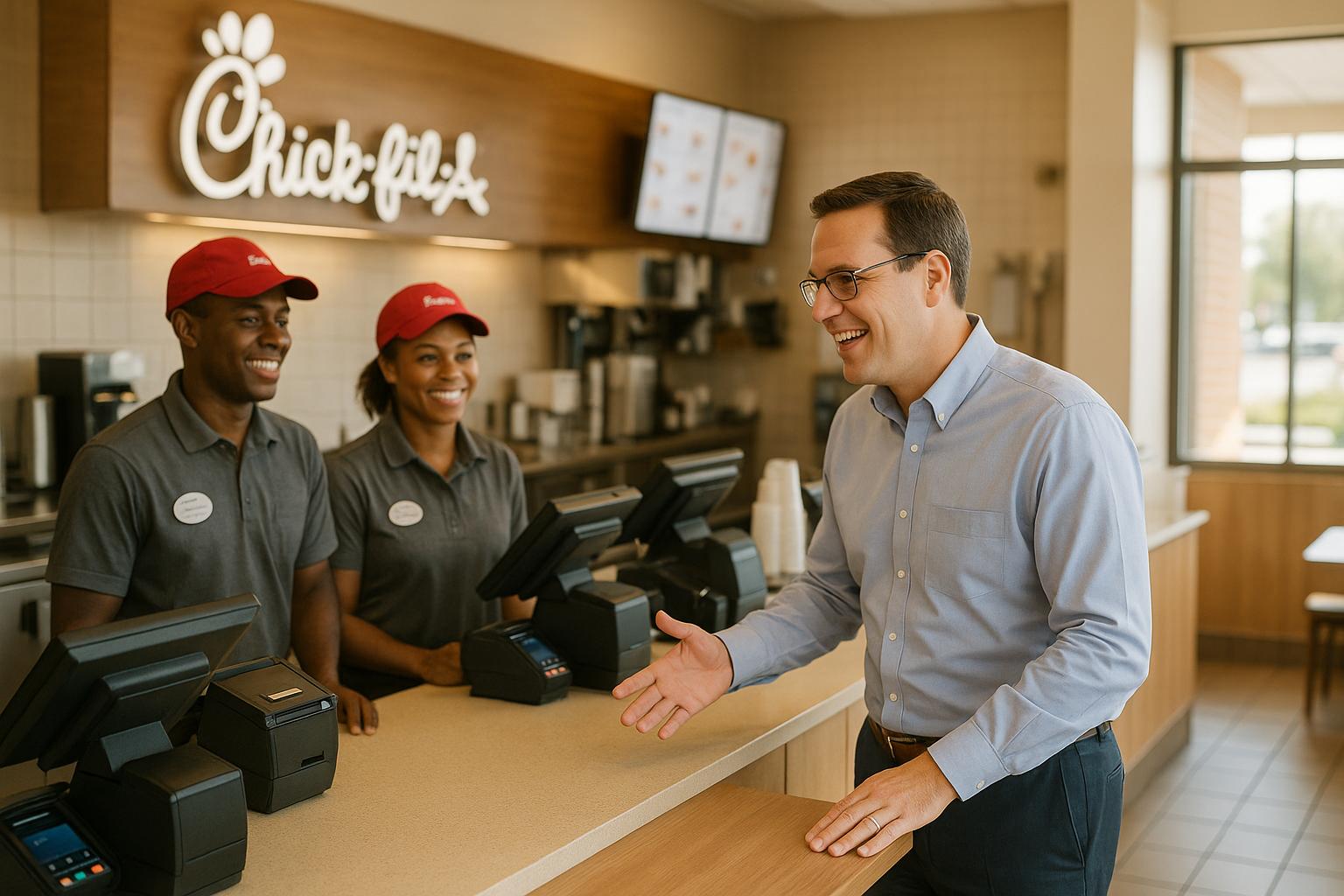
Thinking about opening a Chick-fil-A? It’s not your typical franchise. Instead of requiring large upfront investments, Chick-fil-A charges just $10,000 to become an operator. But here's the catch: you don’t own the restaurant. Chick-fil-A keeps ownership of the property, equipment, and profits are shared. Operators are expected to work full-time, managing a single location on-site every day.
This model prioritizes leadership, community involvement, and alignment with the company’s values over financial resources. With an acceptance rate of just 0.2%, the process is highly selective. Operators focus on customer service and community engagement, making each location a neighborhood hub.
If you’re considering this path, know that success depends on hands-on leadership, a service-first mindset, and a deep connection to your community.
Chick-fil-A’s Hidden Hiring Process: How They Select the Best Leaders - Mark Miller Explains
Why Chick-fil-A Chooses Operators Over Franchisees
Chick-fil-A takes a different route compared to many other fast-food chains. Instead of relying on multi-unit franchisees, they opt for full-time operators. This decision gives the company more direct control over daily operations while ensuring each restaurant benefits from hands-on leadership. It’s a strategy that helps drive both operational excellence and community engagement.
Let’s explore how this approach aligns with their core values and the advantages it brings.
Company Values Behind the Operator Model
Chick-fil-A’s operator model isn’t just a business strategy - it’s a reflection of the company’s values. The focus is on quality and consistency rather than aggressive expansion. The idea is simple: a restaurant flourishes when someone with a genuine passion for the business, the team, and the surrounding community leads it. By selecting operators with strong character and a solid work ethic, Chick-fil-A ensures its commitment to outstanding service and hospitality is upheld. This approach guarantees that each location mirrors the brand’s mission and values.
Benefits of the Single-Operator Approach
The single-operator model offers clear advantages. With an operator present daily, they can address issues immediately, ensuring food quality and customer service remain top-notch. This hands-on management style also fosters stronger ties within the community. Unlike multi-location franchisees who juggle multiple priorities, Chick-fil-A operators dedicate their full attention to running one exceptional restaurant. This focus helps sustain the brand’s reputation for excellence and supports steady, thoughtful growth.
The Selection Process
Becoming a Chick-fil-A operator is no small feat. The process is designed to identify individuals who exhibit strong leadership skills, deep connections to their communities, and a clear alignment with the company’s values. This thorough approach reflects Chick-fil-A's dedication to hands-on leadership and local involvement.
Application and Evaluation Stages
Chick-fil-A's single-operator philosophy emphasizes a hands-on approach to running a franchise. The journey begins with an application where candidates outline their background, work experience, and personal values, showcasing their understanding of the operator model.
Those who move forward face a series of interviews aimed at evaluating their leadership abilities, problem-solving skills, and commitment to community involvement. These interviews are complemented by comprehensive background and reference checks.
To ensure a good match, candidates may participate in a working interview at an existing Chick-fil-A location. This step provides insight into the day-to-day responsibilities of an operator. A financial review follows, confirming the candidate’s ability to handle operational duties, even though the initial investment is relatively modest.
Ultimately, corporate leadership carefully reviews every stage of the process before making the final decision. This ensures that chosen operators fully understand and embrace the active, on-site leadership that defines Chick-fil-A's success.
Operator Qualifications and Requirements
Once candidates pass Chick-fil-A's rigorous selection process, they must meet high personal and community standards. The company looks for individuals who reflect its core values and have a proven dedication to serving their communities. Understanding these expectations can help aspiring operators determine if this opportunity aligns with their skills and goals.
Required Qualities and Skills
At the heart of Chick-fil-A's requirements is leadership experience. Operators need to inspire their teams, make sound decisions under pressure, and foster a positive work environment. Leadership can come from various backgrounds, whether coaching, corporate roles, or community organizations.
Another cornerstone is integrity and character. Chick-fil-A values honesty, ethical decision-making, and a history of respectful, principled behavior. Your personal values should align closely with the company's established principles.
A service-oriented mindset is also vital. Operators need to genuinely prioritize creating exceptional experiences for customers and team members. This means having a natural talent for hospitality and a sincere desire to make people feel valued.
Hands-on involvement is non-negotiable. Operators are expected to be present on-site daily, working alongside their teams. This is a full-time commitment that requires a proactive approach to the challenges of running a restaurant.
These qualities are essential for operators to leave a meaningful mark on their communities.
Community Connection and Location Fit
Chick-fil-A believes its restaurants are more than places to eat - they are community hubs.
Local ties and long-term commitment are highly valued in the selection process. Candidates should demonstrate strong connections to the community, whether through family roots, established relationships, or a history of active engagement. The company emphasizes that its success in any location depends on the dedication of local operators who bring the restaurant to life in their neighborhoods.
Active community engagement is about more than just financial contributions. Operators are expected to lead local charity efforts, sponsor events, support schools, and serve on community boards. This hands-on approach includes both donations and personal involvement. In fact, Chick-fil-A places more emphasis on community investment than traditional industry experience. Operators are encouraged to identify local needs, collaborate with community leaders, and build relationships that go beyond selling chicken.
Take Jimmer Szatkowski, for example. As the Owner-Operator of Chick-fil-A Cicero in Upstate New York, he made a lasting impression during his first six months by hosting an event at his home for scholarship recipients and their families. This kind of personal investment and leadership reflects the qualities Chick-fil-A values most.
Ultimately, candidates must clearly outline how they plan to make a difference in their specific location. Chick-fil-A isn’t looking for vague promises of "giving back"; they want actionable ideas for addressing local needs, building relationships, and creating a restaurant that feels like a true neighborhood gathering spot.
Financial Structure and Revenue Model
Chick-fil-A's approach to franchising is anything but conventional. While the company offers an opportunity with a relatively low entry fee, this comes with unique trade-offs that reshape the concept of restaurant ownership. The structure emphasizes hands-on management and a strong connection to the community, influencing both the initial investment and how revenue is shared.
The Low Initial Investment
One of the standout features of Chick-fil-A's model is its low entry fee, which sets it apart from many other fast-food franchises. But here's the catch: this lower cost doesn't mean operators own the restaurant in the traditional sense. Chick-fil-A retains ownership of the property, equipment, and real estate. Instead of purchasing a franchise, operators are essentially given the chance to manage a restaurant that the company has already established.
This opportunity comes with a significant expectation - operators must fully dedicate themselves to the daily operations of the restaurant. They are responsible for ensuring smooth operations and maintaining the high level of customer service that Chick-fil-A is known for. However, there's a trade-off: operators don't build equity in the business. When they retire or step away, the restaurant remains under Chick-fil-A's ownership.
The Revenue-Sharing Model
Rather than following the standard franchise model of charging ongoing fees, Chick-fil-A takes a different route with its revenue-sharing system. Operators contribute a portion of their daily sales and share in the net profits left after covering operating expenses. This model reflects the company's retained ownership of the restaurant and eliminates the flat royalty fees and extra charges typical in other franchise systems.
Operators have control over their operating costs, which directly impacts their earnings. In high-performing locations, this can translate to substantial income.
Another key aspect of this structure is the limit on personal financial risk. If a restaurant doesn't perform well, the operator's financial exposure is limited to the initial entry fee. Chick-fil-A assumes the larger operational and capital risks, providing an added layer of security for operators.
This model aligns an operator's earnings with the restaurant's performance and customer satisfaction. With Chick-fil-A's strong brand reputation and extensive support systems, this arrangement can be especially appealing to those who value active management and a lower upfront investment over owning a business they can later sell. For the right person, it offers a rewarding balance of responsibility and opportunity.
Conclusion: What Aspiring Franchise Owners Can Learn
Key Takeaways
Chick-fil-A's franchise model stands out for its emphasis on values, community involvement, and hands-on leadership rather than requiring a hefty financial investment. The company seeks individuals who align with its mission of service and community engagement, ensuring operators are not just financially but personally invested in the success of their restaurants.
Their rigorous selection process underscores an important lesson: not every franchise opportunity is the right fit for every candidate.
The revenue-sharing structure and retained ownership create a balanced system where both the company and the operator share risks and rewards. Additionally, Chick-fil-A’s approach separates equity from control, offering operators daily autonomy and significant earning potential without requiring a massive upfront investment.
These elements provide a useful framework for evaluating whether franchise ownership aligns with your goals and readiness.
Putting These Lessons Into Practice
Chick-fil-A’s model offers valuable insights for prospective franchise owners. Start by reflecting on your own goals and commitment. Are you ready to be deeply involved in the daily operations, or are you looking for a more hands-off investment? Your answer will help guide your path.
Take time to research the franchise’s values. Speak with current operators to understand whether the brand prioritizes long-term growth and community engagement. This step can help you determine if your personal values align with the franchise's mission.
Carefully analyze the financial structure. While a lower upfront cost might seem appealing, consider what you might be trading off in terms of control or returns. Understanding the full financial picture is key to making an informed decision.
Finally, assess your qualifications and readiness. The competitive nature of many franchise opportunities, like Chick-fil-A’s, should inspire you to strengthen your leadership skills, build community connections, and gain relevant industry experience. Often, the most sought-after franchises come with robust support systems and strong brand recognition - making the effort to meet their standards well worth it.
FAQs
How is being a Chick-fil-A operator different from a traditional franchise owner?
Unlike most franchise owners, Chick-fil-A operators don’t actually own their restaurants. They don’t hold equity in the business, nor can they sell their location. Even passing the business down to family members isn’t an option. This is a stark contrast to the typical franchise model, where owners usually have full control, including the ability to sell or transfer their business.
Chick-fil-A takes a different approach. The company carefully selects operators to handle the daily operations of the restaurant, but it keeps ownership firmly in its hands. By doing so, Chick-fil-A ensures tighter control over its brand and maintains consistent quality across all of its locations.
How does Chick-fil-A's revenue-sharing model affect the financial risks and rewards for its operators?
Chick-fil-A stands out with its distinctive revenue-sharing model. Instead of the hefty upfront costs typical in franchise setups, operators pay an annual licensing fee and cover operating expenses. After that, profits are shared with the company.
What makes this model appealing is that Chick-fil-A takes on the financial burden of real estate and initial setup costs. For operators, this means significantly reduced initial investment compared to traditional franchises. This structure not only lowers financial risks but also allows operators to concentrate on managing their business efficiently. Plus, their success is directly tied to the company's performance, creating a partnership that benefits both sides.
What does Chick-fil-A look for in candidates who want to become operators?
Chick-fil-A looks for individuals who are eager to take on the challenge of running a full-time, hands-on business. They value candidates with a solid track record in leadership and financial management, as well as a drive to achieve results and a self-motivated approach. Beyond just running a business, they want operators who are committed to making a meaningful difference in their communities.
Successful applicants should also have a genuine passion for serving others. This includes fostering a supportive environment for their team and delivering exceptional care to customers. One key requirement: Chick-fil-A operators must dedicate their full attention to their restaurant, meaning they cannot be involved in other active business ventures.
